Equestrian facility design for the GCC
Creating horse-centered environments for the future
The GCC has a rare opportunity to rethink equestrian facility design.
Across the region, many new equestrian projects are being developed - from private stables and training centers to equestrian resorts and large-scale developments. Because so many of these facilities are built from the ground up, unlike other parts of the world, we are not constrained by centuries of legacy infrastructure. We can design environments that reflect both the realities of the GCC climate and a deeper understanding of the horse itself.
This is not simply about building stables.
It is about creating equestrian environments where horses and humans can thrive together.
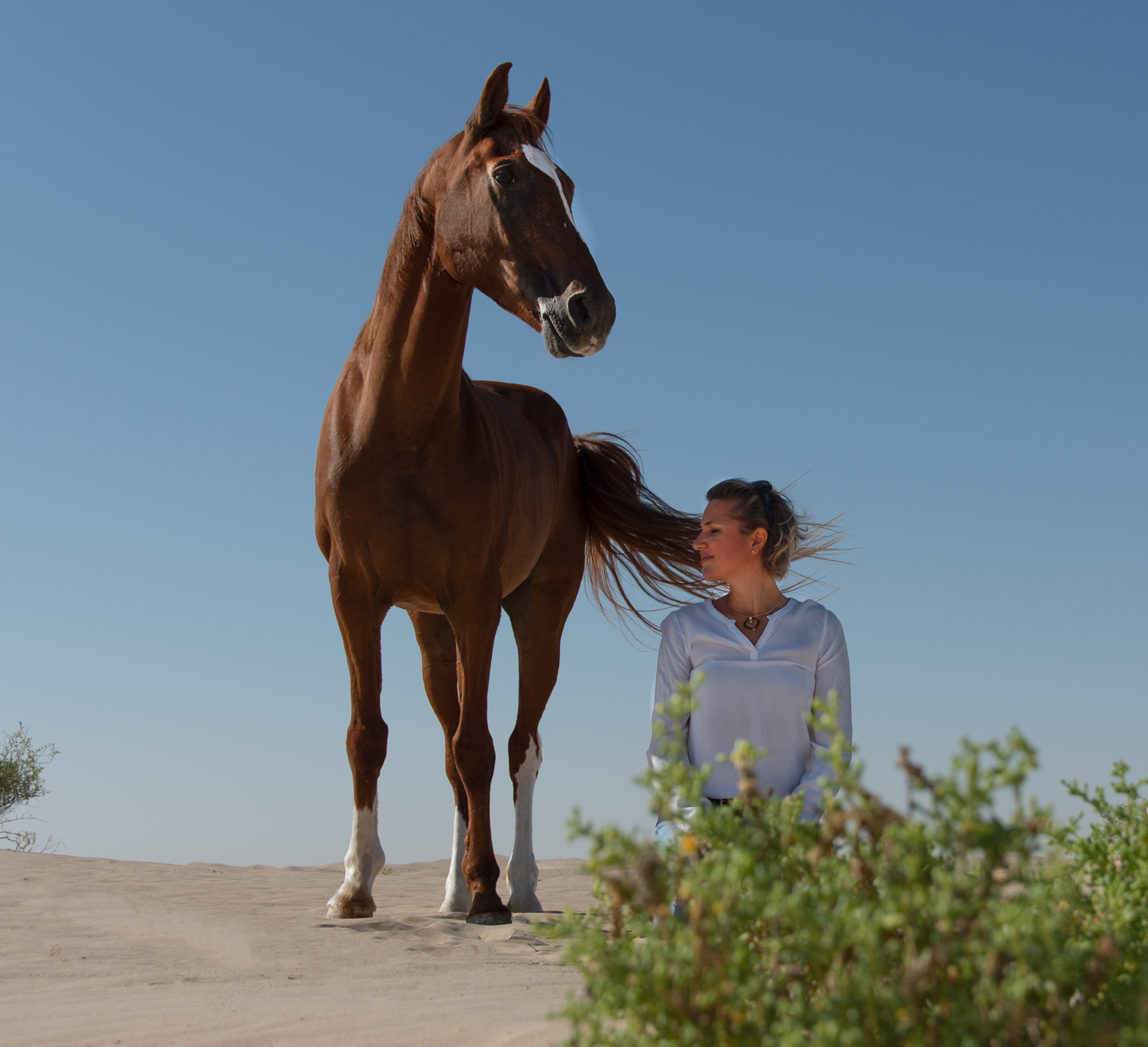
Why Horse-centered equestrian facility design matters
Horses are extraordinary animals.
They are highly sensitive, intelligent, and deeply aware. For thousands of years they have partnered with humans in work, travel, sport, and culture. In the GCC in particular, the horse holds profound historical and cultural significance.
Yet the environments we build for them often restrict their most fundamental needs.
True equestrian facility design must begin with understanding the horse - how it evolved, how it moves, and how it interacts with its environment.
Horses are not machines to be stored in a garage. They are sentient beings whose beauty and wellbeing are expressed through movement, freedom, and connection.
By designing environments that respect their nature, we create healthier horses and more meaningful human–horse interactions.
Understanding the nature of the horse
For millions of years, horses evolved in open landscapes.
Their biology is built around several essential conditions:
Movement
Horses naturally walk between 15 and 30 kilometers per day. Continuous movement supports circulation, joint health, digestion, and mental balance.
Social interaction
Horses are herd animals. Their emotional stability depends on interaction with other horses.
Continuous foraging
Their digestive system is designed for near-constant grazing, often up to 16 hours per day.
Environmental choice
In nature, horses move freely between food, water, shelter, and companionship.
These conditions form the foundation of responsible equestrian facility design.
When these needs are supported, horses become healthier, calmer, and more resilient.
How traditional stable design developed
Individual box stables are often considered the traditional way to keep horses. However, historically they were never intended to be permanent living environments.
In earlier centuries, horses worked long hours pulling carriages, farming fields, or serving in military roles. After these demanding days, stables provided a place for rest, feeding, and recovery. When humans became to move into urban environments, there was not much space and horse stayed in small stables overnight.
But the box was simply a temporary resting place for a few hours.
Today, the situation has changed dramatically.
Many horses are ridden for only an hour per day - sometimes even less in hot climates such as the GCC.
For the remaining hours, they may spend most of their time confined to individual stalls, with metal bars resembling cages.
And we are so used to this image, that we don't even see the problem anymore, and invest millions is fixing problems that would not even occur in correct living conditions.
Modern equestrian facility design has an opportunity to rethink this system and better align the horse’s living environment with its natural biology.
Learning from modern animal habitat design
In recent decades, zoological parks around the world have transformed the way they design animal habitats.
Instead of focusing primarily on human convenience, modern zoos now prioritize the biological and psychological needs of the animals. Environments are designed to encourage natural movement patterns, social interaction, and environmental stimulation.
This shift reflects a deeper understanding of animal wellbeing.
The same principles can guide the future of equestrian facility design.
By designing environments that allow horses to move, interact, and behave naturally, we create healthier animals and more balanced equestrian facilities.
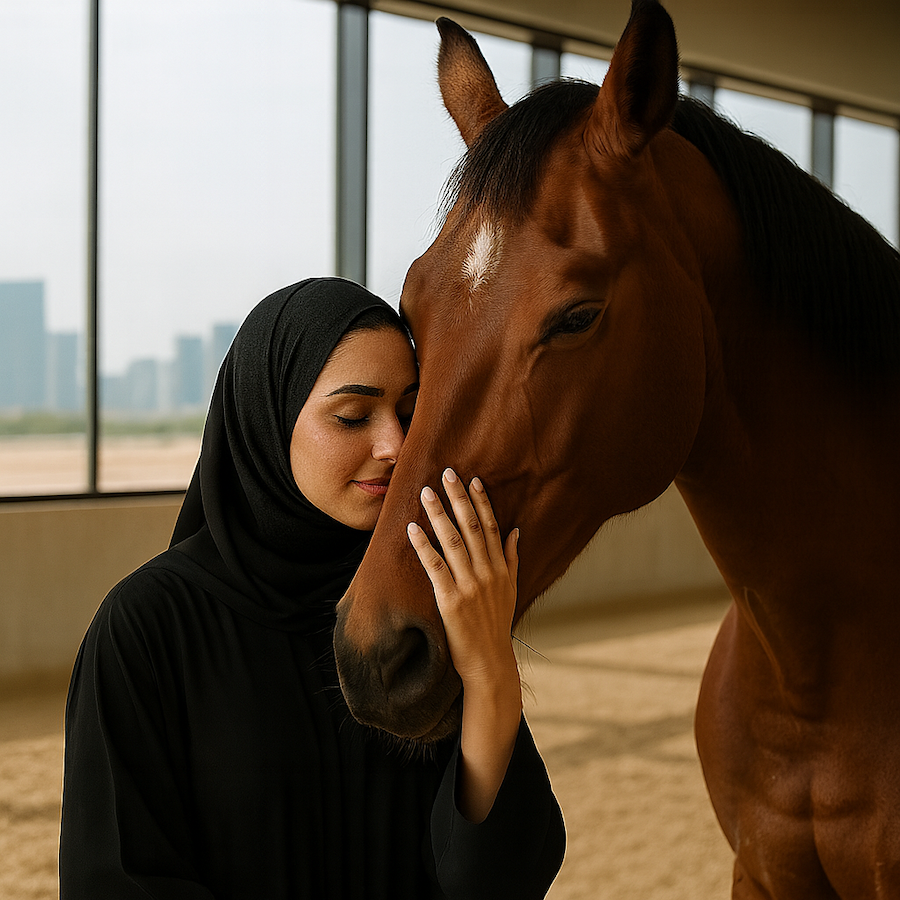
Equestrian facility design in the GCC
The GCC presents unique challenges that must be addressed in any equestrian project.
The region is characterized by:
- Desert landscapes with no natural grazing
- Extreme summer temperatures
- Rapid urban development and limited land in city areas
- The need for efficient and practical facility management
Because of these factors, equestrian facility design in the GCC cannot simply replicate European or American models.
Instead, facilities must be thoughtfully adapted to the local climate and landscape.
Through intelligent design strategies - including track systems, shade structures, varied terrain, and carefully planned horse movement corridors - it is possible to create environments that support natural horse behavior while remaining efficient to operate.
A new generation of equestrian environments
When horses become the starting point of equestrian facility design, entirely new possibilities emerge.
Facilities can become dynamic environments where horses move naturally throughout the night or day while still remaining safe, manageable, and accessible for people.
These environments offer many advantages:
- improved horse health and wellbeing
- reduced stress and behavioral problems
- safer interactions between horses and humans
- more engaging visitor and learning experiences
Ultimately, thoughtful equestrian facility design creates places that serve not only horses, but also riders, visitors, and communities.
Designing the future of equestrian facilities
If you are planning a new stable, equestrian center, resort, or horse-focused development, the design decisions made at the beginning will shape the wellbeing of horses and the experience of people for decades to come.
By integrating horse-centered principles into the early planning stages, it is possible to create facilities that are both visionary and practical.
The GCC has the opportunity to lead the world in the next generation of equestrian facility design.
Let’s design your equestrian facility
If you are planning a new equestrian project and would like expert guidance on equestrian facility design, I would be happy to contribute as an equestrian specialist during the planning and design process.
Together we can create environments that respect the nature of the horse while meeting the operational and climatic realities of the GCC.
Contact me to discuss your project and explore how horse-centered equestrian facility design can shape the future of your development.
Newsletter subscription
Sign up to my newsletter to stay up to date with upcoming courses, new information added to the website, and more news related to horse guided education in the UAE.
You might like these
A wellness center with horses in the UAE?
A visionary wellness center with horses to support the UAE’s people through healing, connection, and growth - aligned with the nation's path forward.
Happy people, happy cities
Ideas for happy people in happy cities - urban nature



Get in touch at monica@feel-quest.com
Call / Whats App +971 50 2512 480
Code of Ethics
Privacy policy
Copyright © 2016-2026 - All rights reserved
Kubik Project Management and Coaching
DED Trader License No 873325
Dubai & Abu Dhabi, United Arab Emirates