Progressive Stable Design in the GCC
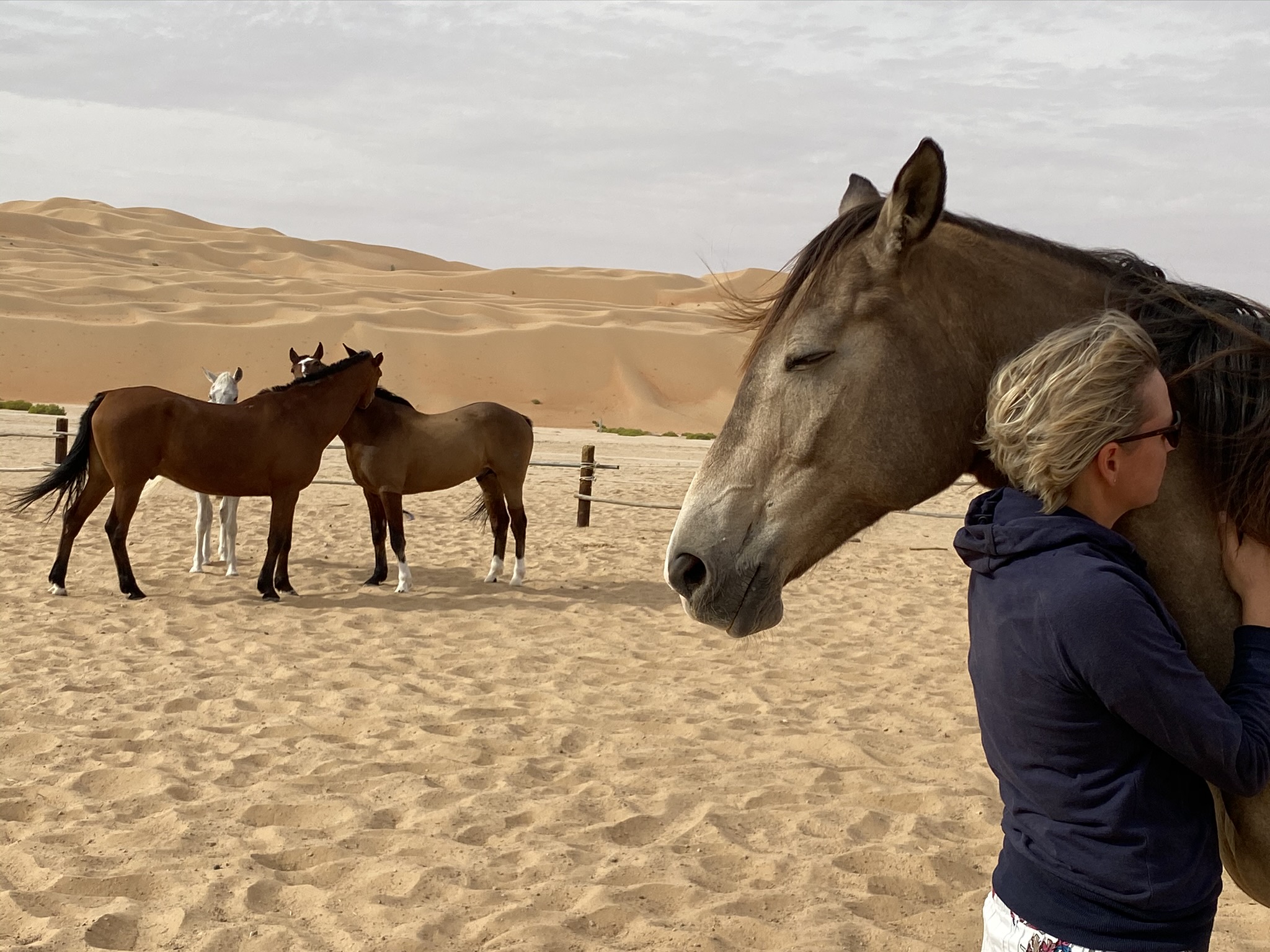
Designing equestrian facilities for health, performance and longevity
The Gulf region is home to a deeply rooted equestrian culture, world‑class horses, and ambitious equestrian developments.
As I see the industry continuing to grow, there is an opportunity - and a responsibility - to design stables and equestrian centers that support not only performance, but also the physical and mental wellbeing of horses.
This is where my main calling originated to work as a sub-consultant to stable owners, architects and master plan developers.
I believe that we need to see more paddock boxes, different paddock trail systems, and movement‑based stable design adapted specifically for the GCC climate, culture, and operational realities.
Healthy horses are not created by confinement and control, but by thoughtful environments that respect their nature.
Why stable design matters
Horses are movement‑driven, social animals. Traditional box‑stable systems with a few small square paddocks that are shared between hundreds of horses, as is currently standard practice in the region can unintentionally contribute to:
- Musculoskeletal stiffness and injuries
- Digestive issues and colic
- Respiratory problems
- Stereotypic behaviours (weaving, cribbing, box walking)
- Mental stress, tension, and burnout, leading to dangerous situations for riders
Progressive stable design addresses these challenges by designing environments that allow horses to move, choose, socialize, and rest naturally, while still meeting the needs of owners, riders, and grooms, and being considerate of the environment we live in, including the desert heat.
The GCC Context: Designing for climate and culture
Stable design in the GCC requires a deep understanding of:
- Extreme heat and humidity
- Seasonal temperature variations
- Sand and soil conditions
- Cultural expectations of horse care
- Expectations of owners and master developers
- High‑value sport and leisure horses
Well‑designed paddock systems in the GCC:
- Use shade, airflow, and orientation to reduce heat load
- Integrate natural and artificial cooling strategies
- Create different scenarios for winter and summer, for day and nighttime, allowing adaptability
- Balance aesthetics with function
- Support efficient stable management
Progressive stable design does not mean compromising luxury or professionalism - it means elevating them.
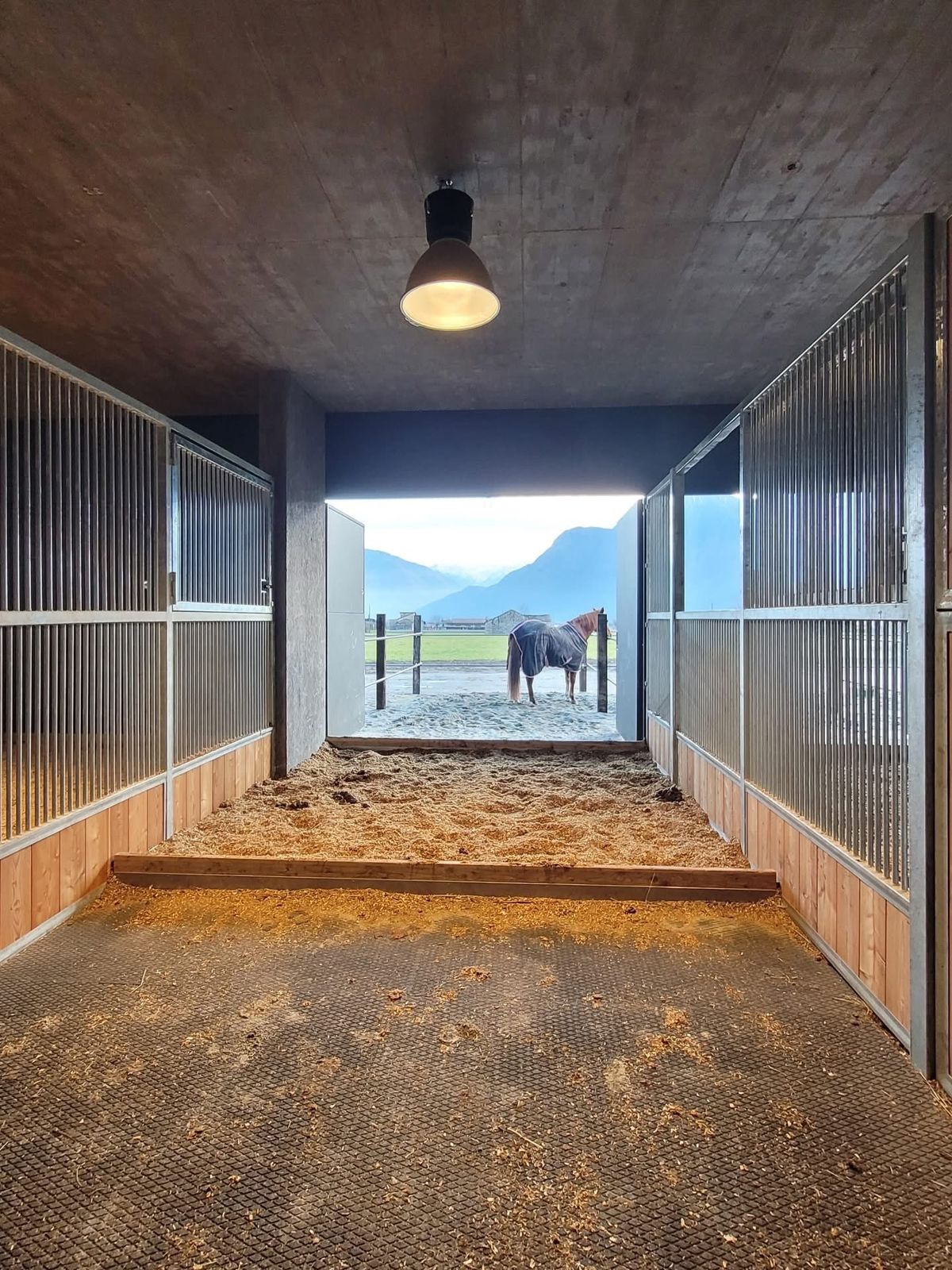
Paddock Boxes: an easy upgrade for any stable
Paddock boxes combine the safety and manageability of a stable with the freedom of outdoor living.
Benefits for Horses:
- Continuous access to fresh air when weather permits
- Increased movement throughout the day
- Reduced stress and anxiety
- Improved respiratory and digestive health
- Greater mental relaxation
Benefits for Owners & Operators:
- Still allows a controlled environment for the horse like a box, whilst respecting the horses need for socialization
- Easier observation of horse behaviour and soundness
- Easy to incorporate with different horses, especially in large operations
- Reduced stable vices and associated safety and horse management issues
- Flexible use for sport, leisure, and rehabilitation horses
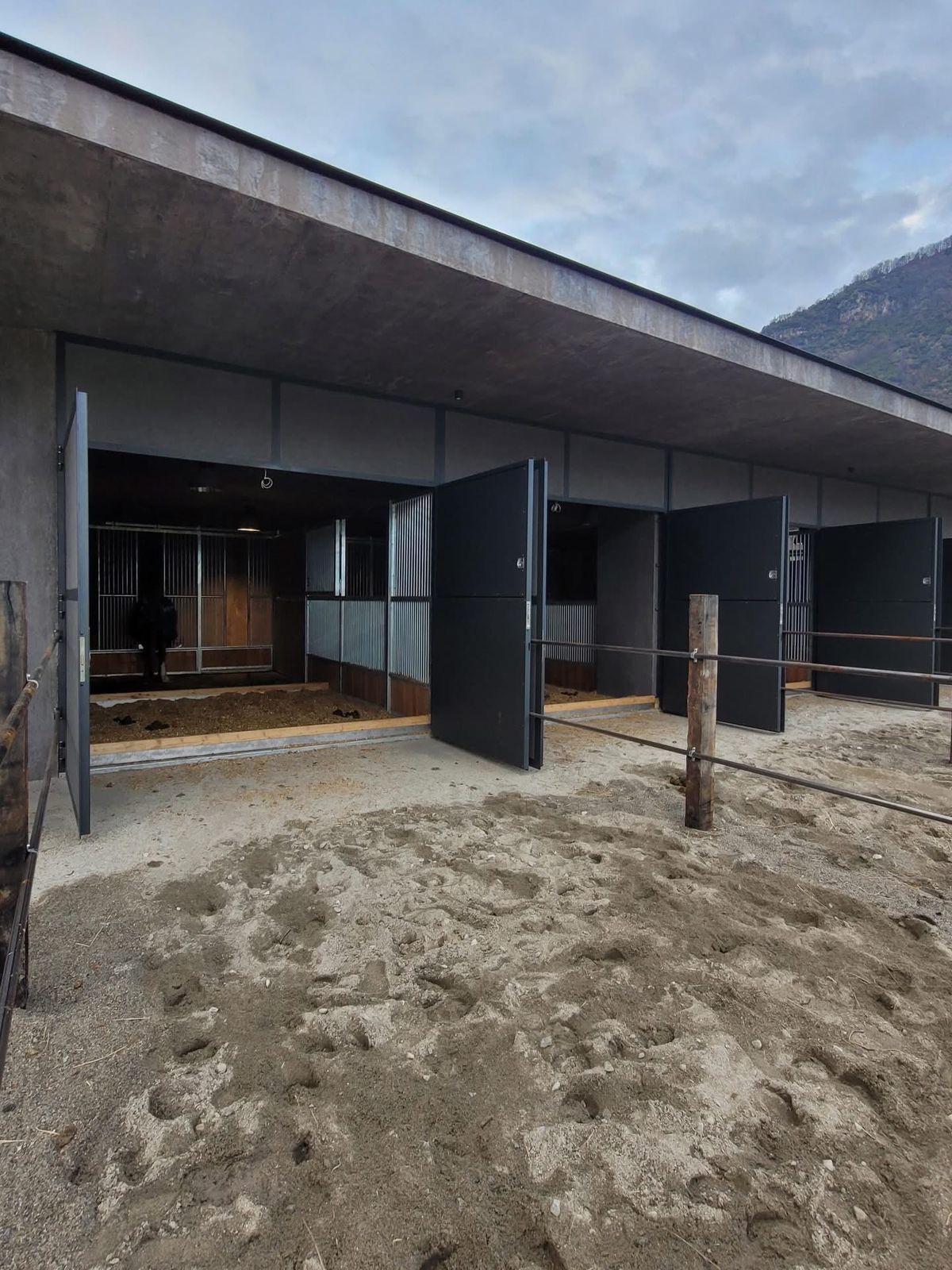
Well‑designed paddock boxes include:
- Covered shelter
- Secure and safe fencing
- Visual contact with other horses
- Non‑slip, well‑draining surfaces that are easy to clean
Newsletter subscription
Sign up to my newsletter to stay up to date with upcoming courses, new information added to the website, and more news related to horse guided education in the UAE.
You might like these
Equestrian event management GCC - project manager and onsite support
Equestrian event management GCC: 20 years of event leadership combined with deep horse expertise. Project management and onsite support for equestrian events


FeelQuest is also the Middle East Director for MarzMethod (Horse Guided Empowerment®)
Become certified yourself
Get in touch at monica@feel-quest.com
Call / Whats App +971 50 2512 480
Code of Ethics
Privacy policy
Copyright © 2016-2026 - All rights reserved
Kubik Project Management and Coaching
DED Trader License No 873325
Dubai & Abu Dhabi, United Arab Emirates